Retaining Wall Options for Sloped Yards in Metro Atlanta
Metro Atlanta has no shortage of sloped, hilly lots, especially in areas like Kennesaw and Marietta. A well-built retaining wall turns an unusable slope into level, functional space and protects your property from erosion. Here are the main options.
Poured concrete walls
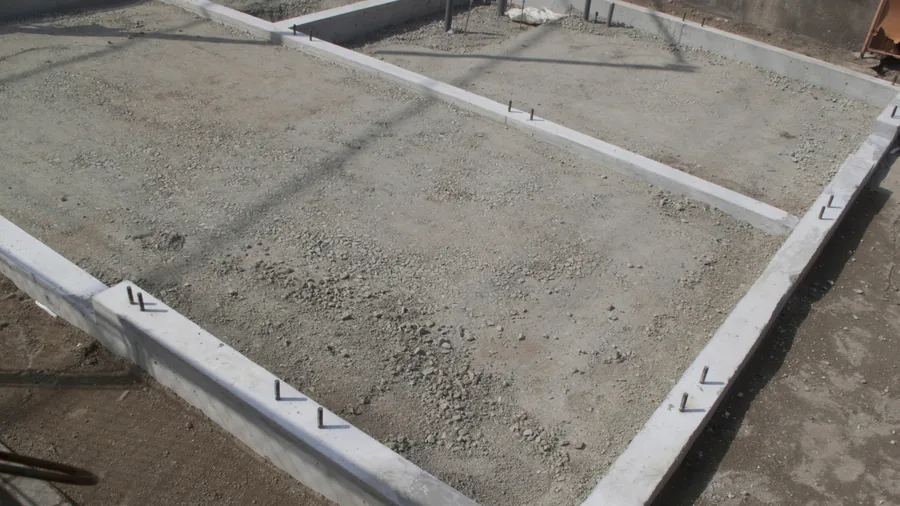
Poured concrete is the strongest option for tall walls and heavy loads. It offers a clean, modern look and can be finished or faced with stone. It is ideal where structural strength matters most.
Concrete block and segmental walls
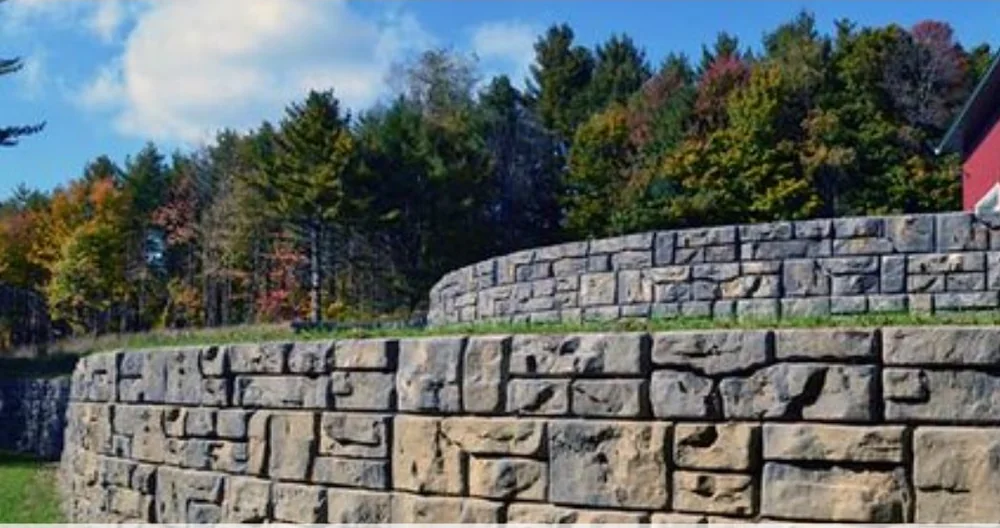
Interlocking concrete blocks are popular for residential walls. They install efficiently, come in many colors and textures, and handle moderate heights well. They are a versatile middle ground on cost and looks.
Stone and boulder walls
Natural stone gives a timeless look and blends into landscaped yards. Costs more in labor but adds strong visual appeal.
What matters most: drainage
The number one reason retaining walls fail is poor drainage. Water building up behind a wall creates pressure that can push it out or topple it. A proper retaining wall installation includes gravel backfill, drainage pipe, and the right base. On Georgia clay this is not optional.
How tall can a retaining wall be?
Many jurisdictions require engineering and permits for walls over a certain height, often around 4 feet. A qualified contractor will know the local requirements and build to code.
Get a Free Concrete Estimate in Metro Atlanta
CIT Concrete Contractor Services is licensed, insured, and rated 4.9 stars across 38 Google reviews. We serve Johns Creek and the greater Atlanta area.
Retaining Wall FAQs
How much does a retaining wall cost in Atlanta?
Cost depends on the materials, height, and length. Concrete block walls are a popular mid-range option, while poured concrete and natural stone cost more. A free estimate gives you an exact figure for your yard.
Do I need a permit for a retaining wall in Georgia?
Many areas require a permit and engineering for walls over about 4 feet. Requirements vary by county and city, and a licensed contractor will handle permitting where it is needed.
Why do retaining walls fail?
The most common cause is poor drainage. Water trapped behind the wall builds pressure that pushes it out. Proper gravel backfill, drainage pipe, and base preparation prevent this.
Planning a concrete project in Metro Atlanta?
Get a free, no-pressure written quote from CIT Concrete, Johns Creek's decorative concrete specialists since 2011.