
Garage Floors in Johns Creek & North Fulton
New garage slabs, replacement, resurfacing, and epoxy or polyaspartic coatings, poured over a vapor barrier and compacted base so the floor stays flat, dry, and crack-controlled.
Get Your Free Quote
Tell us about your project. We reply fast, usually same day.
A Garage Floor Built to Last
A garage floor takes vehicle loads, dropped tools, and moisture pushing up from Georgia's clay. Get the base, vapor barrier, thickness, and joints right and it stays flat and dry for decades. We pour new garage slabs, replace failed ones, resurface pitted floors, and finish with epoxy or polyaspartic coatings.
- New garage slabs at 4 inches, or 6 inches for lifts, RVs, and heavy vehicles
- 3,500 to 4,000 PSI mix with #3 or #4 rebar or 6x6 wire mesh
- 6-mil vapor barrier over a compacted graded-aggregate base to fight moisture
- Slope to the door and an isolation joint at the foundation so the slab moves independently
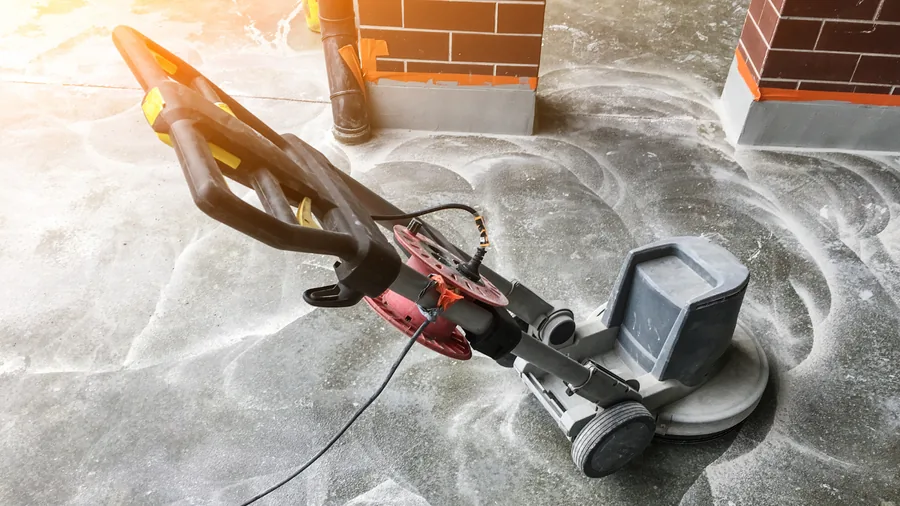
- Resurfacing and overlay for pitted, spalled, or stained floors that are structurally sound
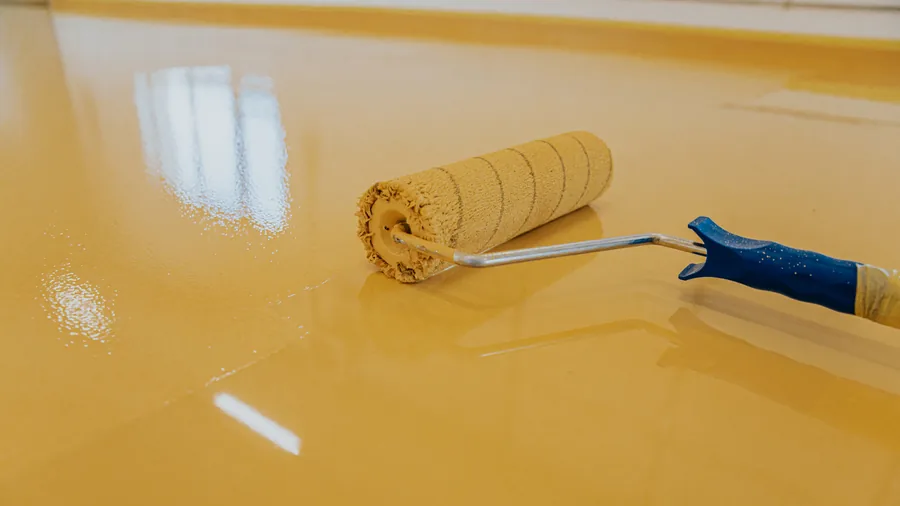
- Epoxy and polyaspartic coatings for a sealed, easy-to-clean finish
What does a garage floor cost in Atlanta?
Garage floor pricing depends on whether you are pouring a new slab, replacing an old one, resurfacing, or adding a coating, plus the thickness and reinforcement. Typical Metro Atlanta ranges below, and every floor is quoted after we see it.
New garage slab
A new, reinforced garage slab generally runs $6 to $12 per square foot poured over a vapor barrier and compacted base.
Slab replacement
Replacing a failed floor adds tear-out and haul-away of the old slab, quoted as a separate line item on top of the new pour.
Resurfacing & overlay
Resurfacing a pitted but sound floor with a cement-based overlay typically runs $3 to $7 per square foot.
Epoxy & polyaspartic coating
A professional epoxy or polyaspartic coating usually runs $4 to $10 per square foot on top of a sound floor.
Epoxy vs Polyaspartic Coatings
Both seal and protect a garage floor, but they cure and wear differently. The right choice depends on your timeline, sun exposure, and budget.
| Factor | Epoxy Coating | Polyaspartic Coating |
|---|---|---|
| Cure and return to use | Cures over several days, longer before you can park | Cures in hours, often back in service the next day |
| UV stability | Can amber or yellow in direct sunlight | UV-stable, holds its color |
| Install temperature | Prefers a warmer, controlled slab | Cures across a wider temperature range |
| Cost | Lower material cost | Higher material cost, faster install |
| Best for | Budget-focused garages out of direct sun | Fast turnarounds and floors that see sunlight |
Both need a properly prepared, moisture-tested slab to bond. Many floors get an epoxy base coat with a polyaspartic top coat to combine value and durability. We test the slab for moisture first, because Georgia's humidity and clay push water up through concrete.
How We Build Your Garage Floor
Assess & Measure
We check the existing floor or the new pad, test for moisture, and give you a written price.
Base & Vapor Barrier
We compact a graded-aggregate base and lay a 6-mil vapor barrier to keep ground moisture out.
Reinforce & Pour
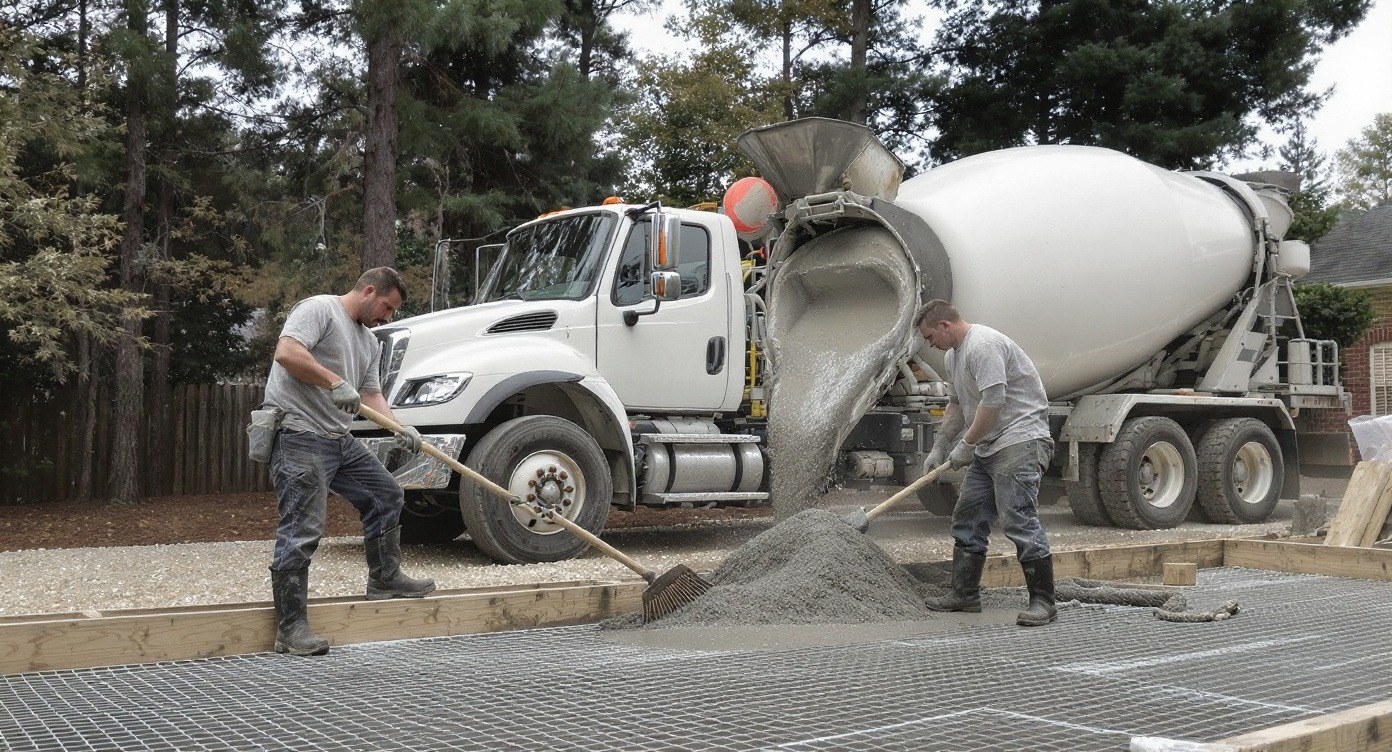
We set rebar or wire mesh on chairs, pour the slab, and slope it to the door.
Finish or Coat
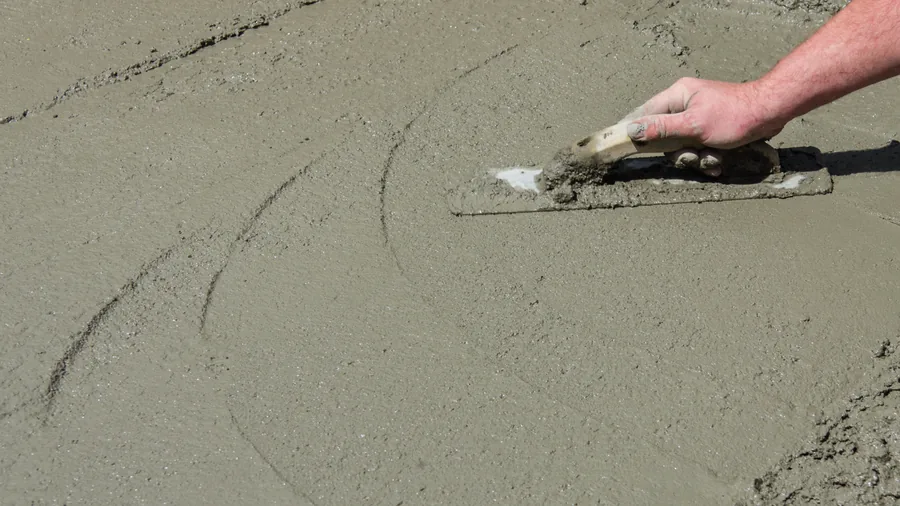
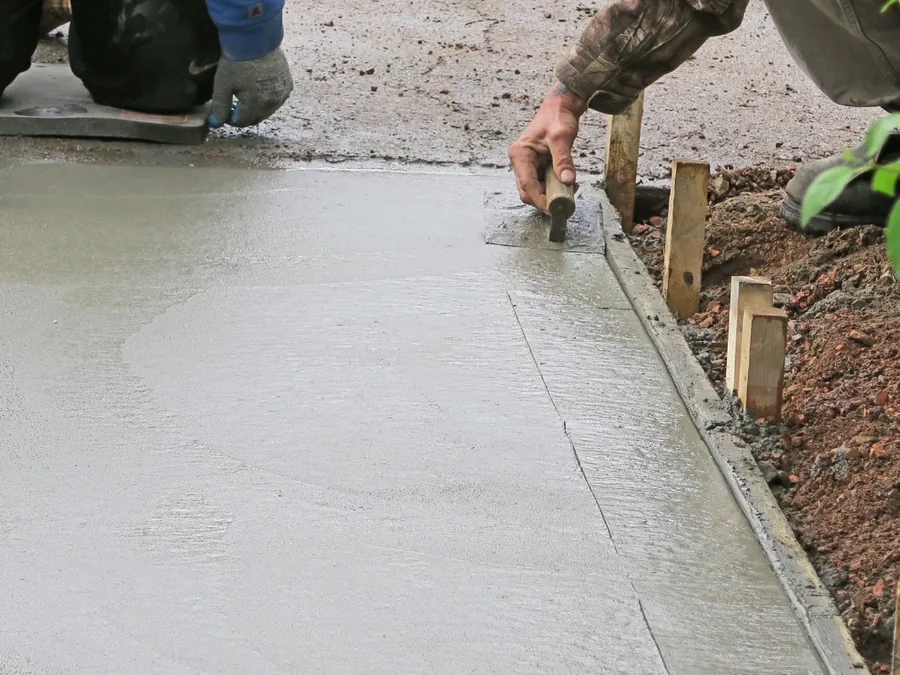
We hard-trowel the surface and, if you want it, apply an epoxy or polyaspartic coating once it has cured.
Garage Floors in the Atlanta Metro
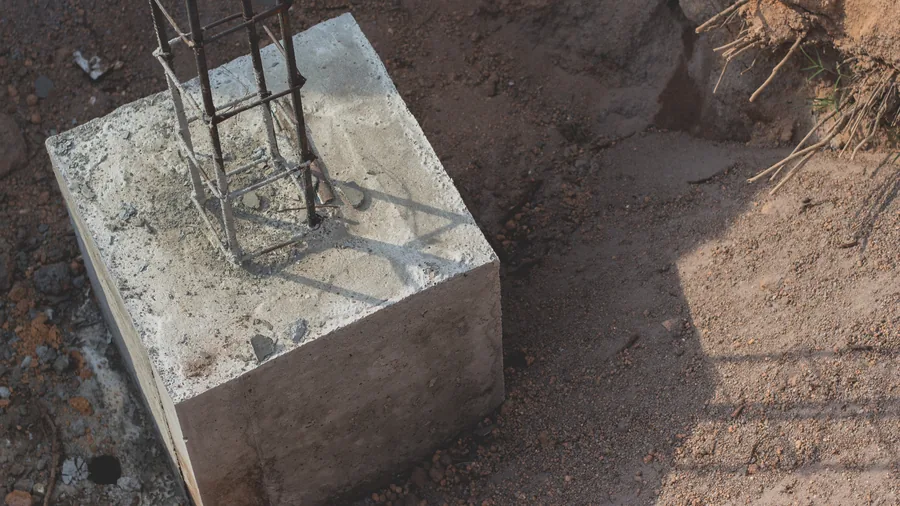
Garage slabs, floor finishes, and coatings from our Metro Atlanta crews.
We Do It All in Concrete
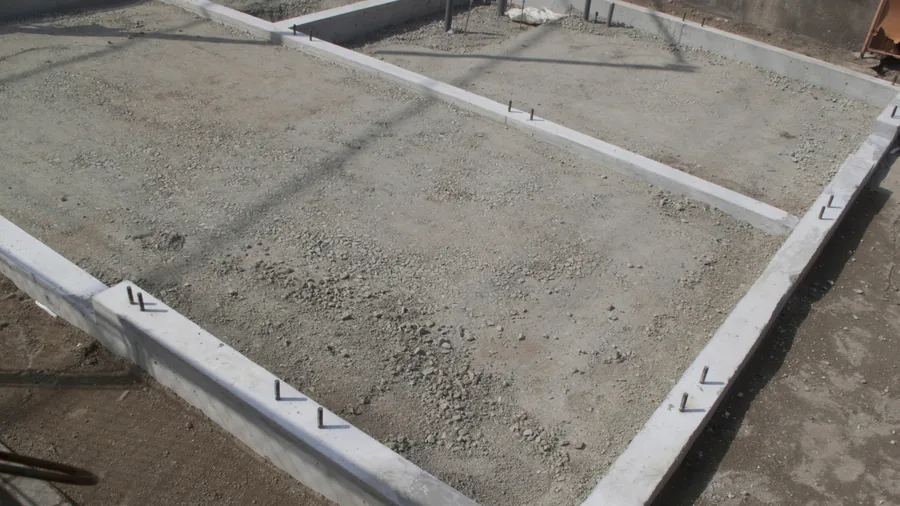
One local crew for every concrete project around your home.
The CIT Workmanship Guarantee
We have built our reputation across Johns Creek and Metro Atlanta since 2011 by standing behind every pour. If something is not right with our workmanship, we make it right. In writing, on every project.